
Global Travel, Safety, & Security Office
The Global Travel, Safety, and Security (GTSS) office at LSU serves as the central hub for managing and supporting all aspects of international travel risk management, safety, and security for students, faculty, and staff engaged in global travel. The Director of GTSS works alongside the International Travel Oversight Committee (ITOC) and the International Crisis Response Team (ICRT) to review proposed high-risk travel and respond expeditiously to emergencies impacting LSU constituents traveling outside the U.S.
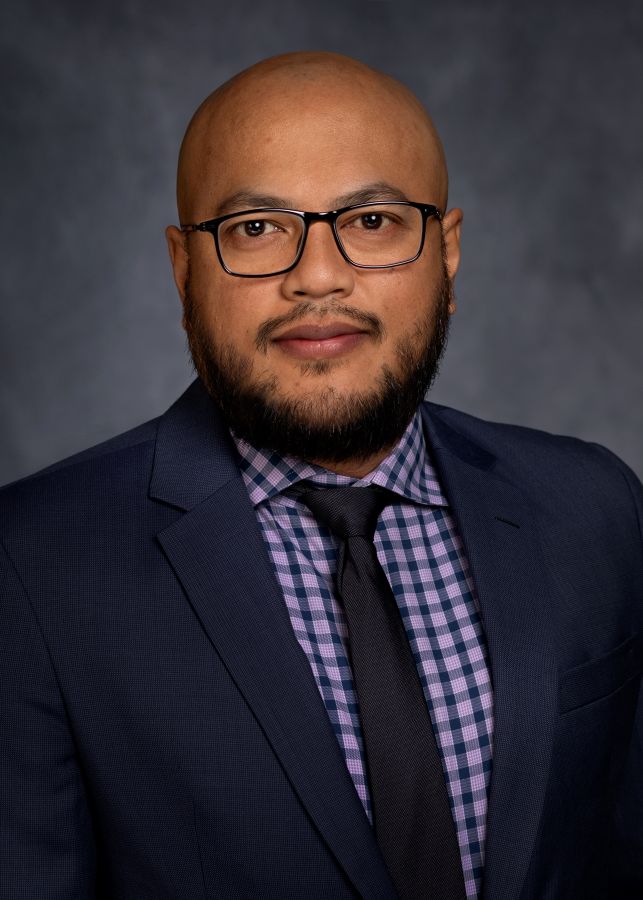
Meet Our Team
All LSU constituents on university-affiliated travel are required to register their trips prior to departure.
This allows the GTSS office to provide pre-emptive education prior to travel and support, resources, and communication during emergencies abroad.
LSU constituents are advised to consult the LSU Accounts Payable & Travel website for up-to-date information on required international travel registration process as per their respective profile (students, faculty/staff, guests, etc.) and proposed travel destination(s).
Note: Constituents planning travel to China, Hong Kong, or Macau as of March 2026 require submitting Form AS295 or AS296 - as applicable to profile.
All LSU constituents on university-affiliated travel, that have registered their trips through the proper channels, are covered by LSUs International travel insurance and assistance program.
LSU constituents are advised to consult the LSU Office of Risk Management for up-to-date information on international travel insurance coverage policy, benefits,
and services rendered by LSUs international travel assistance provider – On Call International.
LSU constituents on international travel are highly recommended to download the international travel app provided by On Call International (powered by Crisis 24 Horizon) and to register/sign in with their Single Sign-On LSU ID.
The app allows users to receive critical event alerts applicable to their destinations and location, and to be able to reach out to On Call International’s Global Response Center in the event of an emergency. The app also allows the GTSS at LSU to communicate with travelers in the event of an emergency overseas.
(Note: the App and On Call should not be used as replacement for local 911-equivalent services).
To optimize app functionality, enable location services and apply the recommended settings outlined in the Mobile App User Guide
Reach out to globalsecurity@lsu.edu if you want additional guidance on how to leverage the app as per your personal preferences.
When traveling internationally for LSU-related research, teaching, or engagement activities, university faculty, staff, and students may be subject to U.S. export control laws and research security requirements. These rules can apply based on travel destination, who travelers interact with, and what items, data, and/or technology travelers transport.
ORED helps LSU constituents understand and navigate these requirements. ORED provides guidance on export controls, research security, cybersecurity, data protection, and safe international collaborations to help ensure work abroad remains compliant and secure.
Before traveling internationally, LSU constituents are encouraged to consult with ORED’s Research Security/Compliance Director. This helps determine whether any special approvals or licenses may be needed and ensures travelers are aware of current university and federal requirements.
ORED and the GTSS highly recommend that all LSU-affiliated travelers—regardless of citizenship—register their university-related international travel through the Accounts Payable & Travel Office. This helps LSU provide support, maintain compliance, and promote traveler safety.
Note: Even if travel does not require an export license, certain activities, equipment (such as laptops or research devices/equipment), or sharing of information may still be restricted. Checking with ORED’s Compliance Office in advance can help avoid unexpected issues and keep travel running smoothly.
About
The GTSS Office advocates for LSU constituents traveling internationally by:
- Developing university policies and procedures that govern international travel to ensure compliance, consistency, and best practices
- Providing 24/7 emergency assistance
- Conducting pre-travel health, safety, & security orientation training
- Assessing and managing global risks by monitoring global events, conducting research and analysis, and providing risk mitigation recommendations.
- Leading incident and crisis management, coordinating with internal and external partners, and ensuring effective communication and after-action follow-up
- Working with Risk Management and General Counsel to ascertain international travel insurance/assistance and political/natural disaster evacuation and specialized insurance needs.
- Ensuring that all LSU constituents can travel, study, and engage overseas safely, responsibly, and in alignment with institutional and global standards.
The ITOC is led by the Senior Vice Chancellor for Academic Affairs & Provost or designee (Director of GTSS) and includes representatives from varying departments and personnel in LSU. These representatives are responsible for reviewing requests for travel to restricted regions (Level 3 and 4 locations as rated by the U.S. Department of State) and designated foreign adversary countries. The GTSS unit will work with ITOC applicants to enable constituents to address inherent risks at locations of concern and to work pre-emptively to put in place mitigation measures that could potentially decrease or address travel risks.
The ICRT is a core group of LSU university representatives from varying departments who work with university travelers and Study Abroad programs to respond to international crises that impact constituents overseas. The ICRT also works with subject matter experts who may be called upon to assist during an international emergency response. The group is led by the Director of GTSS and is called upon as needed, dependent on the circumstances of an international crisis. Upon collective decision, the ICRT is authorized to suspend travel and initiate evacuation proceedings for international travel programs, as necessary.
Emergencies/Non-Emergencies Overseas
The incident involves circumstances that have affected, or are likely to affect, the constituent traveler in a manner that could result in imminent bodily harm. Such circumstances may include, but are not limited to, serious accidents; victimization through criminal acts (including sexual assault or misconduct); severe physical or mental health emergencies (including the death or hospitalization of an immediate family member); KRED events (kidnapping, ransom, extortion, detention, or arrest); political or civil unrest; or significant natural disasters.
For severe/immediate emergencies, contact local emergency responders first (911 equivalent). Once stabilized or in safe location and in need of any medical, security, or travel assistance, contact On Call International.
24/7/365 Contacts:
On Call International Contact Options:
- Call collect from anywhere in the world: +1 603-328-6396
- LSU Policy Number: INT07021
- Toll-free within the United States and Canada: 1-833-425-5104
- 24/7 live chat: www.oncallinternational.com/chat/direct
- Email: mail@oncallinternational.com
- Text (text only): +1 844-302-5131
On Call International and local emergency response numbers are also available within the Crisis24 Horizon’s mobile app.
Other contact numbers/email to reach for assistance during travels outside the U.S.
LSU Police Dispatch: + 1 225 578 3231
Let the LSU police dispatcher know you are an LSU constituent on international travel. LSU Police dispatch will take down details and escalate your case to the appropriate LSU responders for Global Travel, Safety, & Security.
The incident does not present imminent bodily harm or impact the immediate safety of the constituent, but traveler(s) will require assistance. Examples include, but are not limited lost passport, money purse, luggage, etc.; travel delays or flight cancellations; visa assistance; minor illness or injuries, etc.
For non-emergency situations and inquiries can contact On Call International and/or send an email to globalsecurity@lsu.edu with any related inquiries.
- Always follow the local laws and regulations of the country you are visiting!
- Many laws and regulations of other countries are different to the U.S. and it is incumbent on the traveler to do pre-emptive research.
- Resources (including but not limited to):
- U.S. Department of State – Overseas Security Advisory Council (OSAC) Country Reports – pay attention to “Concerns involving the Rule of Law, Arbitrary Detention, Official Harassment, Corruption and/or Transparency” and “Personal Identity & Human Rights Concerns” sections.
- Within the “Local Laws and Special Circumstances” section of your travel destination’s U.S. Department of State Country Information page. If your destination carries a “D” risk indicator for “Detention” on the DoS country information page – travelers to these countries are deemed to be at a higher risk for wrongful detention.
- The International Lesbian, Gay, Bisexual, Trans, & Intersex Association (ILGA) World Map.
- For more information on a specific country’s laws, you can contact the GTSS unit at LSU, On Call International, or contact that country’s nearest Embassy or Consulate in the U.S. before you travel.
- Stay calm and cooperate with the local authorities.
- Do NOT sign any documents without legal counsel.
- Firmly but politely request local authorities to notify your respective Embassy/Consulate,
based on your citizenship, of your detention. Also, request you be able to communicate
with your designated contact to make them aware of your situation.
- Those who are aware of your situation can then contact the Embassy/Consulate and/or On Call International to inform them of your arrest.
- For U.S. citizens, a consular officer at the nearest U.S. embassy/consulate can be notified by phone at (888) 407-4747 (if dialing from the U.S. and Canada) or (202) 501-4444 from abroad.
- Your contact(s) – with your permission - can also reach out to LSUs GTSS unit at globalsecurity@lsu.edu, who can reach out to consular services on the concerned traveler’s behalf.
- LSU U.S. citizens who want to allow a U.S. Consular Officer to speak with LSU or your family regarding your detention/arrest – will need to sign a Privacy Act Waiver, which will be given to you by the Consular Officer visiting you. If you wish for the Consular Officer to speak with LSU’s emergency responder, please identify the Director of Global Travel, Safety, & Security or LSUs Chief of Police in the Privacy Act Waiver.
- With your permission, contact will be made with LSU representatives, who will inform your department and emergency contacts. Though LSU will advocate for you, please not that similar to the U.S. government or your respective country of citizenship government, LSU cannot get any constituent out of jail, provide legal services, or pay for any fees related to your arrest.
- Be advised that Embassy/Consulate officials of any country have limitations as to
what they can assist with in the event that you are detained/arrested. For example,
an embassy consular officer CANNOT:
- Get a concerned citizen out of jail
- State to a court that the traveler concerned is innocent or guilty
- Serve as official translators or interpreters
- Pay for legal, medical, or any other associated fees/costs.
For U.S. citizens you also can review the Department of State’s Arrest or Detention of a U.S. citizen abroad to view what the local embassy/consulate can or can’t do on your behalf in the event of a detention/arrest.
- Where possible to do so, identify exits and get away from the immediate vicinity of
the unrest and get to a safe location.
- Keep a low-profile, stay calm, and remain vigilant and consistently aware of your surroundings.
- Connect with fellow travelers and/or local contacts, as available.
- Contact On Call International directly or via the Horizons App (Call Hotline or Send
Crisis Signal options in-app).
- On Call will work with LSUs GTSS unit to determine the severity of the situation and if evacuation benefits need to be leveraged.
As a matter-of-course, always liaise pre-emptively with local contacts and monitor local news when in-destination to avoid any large gatherings, demonstrations, or unsafe areas.
U.S. citizens are highly encouraged to enroll in the Smart Traveler Enrollment Program (STEP) prior to leaving the U.S. on travels abroad. This allows for travelers to receive security alerts and messages from the nearest U.S. Embassy/Consulate and allows the U.S. Department of State to expeditiously identify impacted U.S. citizens in the event of an emergency. Non U.S. citizens are encouraged to check their country’s STEP equivalent, if available.
- Always regularly monitor local weather forecast channels to be up-to-date on local
climate and conditions.
- Reassess your need to travel or engage in business/research activities depending on local forecast conditions.
- Heed any advice/warnings/directives issued by the local authorities.
- If traveling to destinations with known histories of severe weather/natural disasters
- it is advisable to prepare a go-bag or emergency bag – as related to the situation.
- Go bag contents include, but are not limited to, your ID (passport) and other important documents, cash in local currency, medication, potable water and snacks, external battery charger and charging chord for your phone, etc.
- If you need immediate medical or safety assistance – call the local authorities/emergency responders.
- For follow-up assistance, get to a safe location, and then contact On Call International
by phone directly or via the Horizons App (Call Hotline or Send Crisis Signal options
in-app).
- On Call will work with LSUs GTSS unit to determine the severity of the situation and if evacuation benefits need to be leveraged.
Other Resources associated with weather impacts/natural disasters:
CDC Natural Disasters and Severe Weather
Ready.gov Disasters and Emergencies
American Red Cross Emergency Preparedness Tips
American Red Cross Staying Safe After a Disaster
- If your passport is lost or stolen – contact On Call International (+1 603-328-6396) and/or the closest Embassy/Consulate pertaining to your country of citizenship and request to speak to the officer on duty to report a lost or stolen passport.
- If your money purse, wallet, bank debit/credit cards are lost of stolen – contact
your respective bank company as soon as possible to cancel your cards.
- If you need access to emergency funds, you can contact On Call International who will help you with getting funds wired from your family members, friends, or other viable sources applicable to you.
- U.S. Citizens can also get funds transferred to the nearest U.S. Embassy/Consulate. Be advised that there is a $ 30.00 USD fee charged by the U.S. Department of State to use this emergency financial assistance service.
- Dependent on situation and personal choice, you can file a police report with the
local authorities.
- For some instances of insurance coverage/benefits – you may have to get a local police report reporting lost/stolen devices/passport/personal items - to provide to Insurance provider as proof for coverage.
- You can contact the nearest Embassy/Consulate associated with your country of citizenship who can provide guidance on how to navigate being a victim of the type of crime that has impacted you.
- Once in a safe location or stabilized position, make contact with On Call International
who can leverage different assistance services and/or benefits to guide you for the
type of crime that has impacted you.
Overseas Security Advisory Council (OSAC) resources:
Guide to Replacing Missing Passports While Abroad
Our Two Cents: Petty Crime Basics and How to Minimize the Risk
U.S. Department of State resources:
Lost or Stolen Passports Abroad
Help for U.S. Citizen Victims of Crime
Please give the traveler time to return contact before reaching out to On Call International at +1 603 328 6396 or LSU Police Dispatch at +1 225 578 3231 to make them aware of your concern.
Global Health, Safety, & Security
LSU constituents on university affiliated/sponsored travel and approved guests, who have registered through the proper travel registration channels, are covered by LSU’s Global Medical & Security Emergency Insurance & Assistance Program.
Employees/Official Guests – Accounts Payable & Travel International Travel Webpage
Students – Register through the Study Abroad Office Webpage
*Students on travel that is academic in nature or connected to LSU activities that are not already registered through an approved study abroad application or in Workday should register through the Office of Global Engagement.
LSU’s international travel insurance and assistance resource is serviced by On Call International (+1 603-328-6396), a Tokio Marine HCC company and is applicable for travel to countries outside the U.S., including U.S. territories (American Samoa, Guam, the Northern Mariana Islands, Puerto Rico, and the U.S. Virgin Islands).
Certain countries are excluded from coverage due to dynamic issues. Please check with globalsecurity@lsu.edu to be apprised on potential exclusions should you have any concern with your destination of travel.
The program covers benefits and assistance services that include, but are not limited to:
- Medical, travel, security assistance, and evacuation services
- Coverage for international medical expenses
- Coordination of emergency and non-emergency medical care
- Assistance with travel arrangements related to medical or security emergencies, including hospitalization abroad
- Travel monitoring and critical event alerts, powered by Crisis 24 Horizon (register/sign on with your SSO LSU ID)
- A global network of partners providing country-specific support
Coverage for lost luggage or travel documents
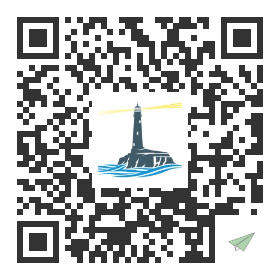
For coverage details, assistance services, the full plan description, and exclusions you can access via QR Code below:
Program ID Card and Service/Benefits Overview
LSU constituents who are on prescription medication should plan ahead to bring enough medication for your entire trip – medications cannot be shipped overseas, and foreign pharmacies generally won’t refill U.S. prescriptions. It is advisable to start the process at least three weeks before departure.
Consult and acquire enough medication:
Schedule a visit with your primary healthcare physician. Request a prescription covering
your full time abroad and ask for an official copy of the prescription plus a doctor’s
note listing your condition, medications, and dosages. You may need proof of travel
dates.
Discuss how your travel may affect side effects, dosing, and consider effects of time-release
medications.
Check insurance and pharmacy:
Liaise with your primary insurance provider in the U.S. about a “vacation” or “prescription
override” to refill early (do note that not all plans allow this).
Confirm your pharmacy has enough supply; provide documentation if needed. Request
them to coordinate with your insurer if any issues arise.
If you can’t refill before leaving:
Contact On Call International (+1 603-328-6396) medical team to confirm availability or alternative generics abroad. Consult with your local primary care physician and/or LSU’s Student Health Center to consider impact on your health condition should you not have access to your medication.
Medication restrictions:
Some drugs (e.g., for ADHD, psychosis, or severe pain) may be unavailable or illegal
in certain countries and could be confiscated or considered a punishable offence.
Check with On Call International (+1 603-328-6396) and your primary care physician and/or LSU’s Student Health Center well in advance for alternatives.
Mailing prescription medication is illegal in most cases, both domestically and internationally.
Over-the-counter (OTC) meds:
You may carry common OTC medications, but note some countries even restrict ingredients found in some U.S. OTC cold medicines (e.g., Nyquil, Sudafed). Always check with On Call International (+1 603-328-6396), your primary health care physician and/or LSU’s Student Health Center for the most accurate and up-to-date information.
Flying with medications:
Keep medications in original containers and pack them in your carry-on with official
copies of prescriptions.
Liquids must be under 3.4 oz and placed in a clear bag per TSA rules. You can also
consult the TSA Cares website to be apprised on information of traveling with medication/medical conditions.
Always carry your doctor’s note/prescription (in English and, if possible, the local
language).
Constituents undergoing specialized treatments:
Newer therapies and treatments may not be available abroad. If you have a chronic condition and undergoing treatment, consult On Call International and your primary care physician about possible options.
For more details on traveling internationally with medications, you can also review the Centers for Disease Control and Prevention (CDC) webpage.
Constituents with dietary needs or preferences should notify their respective business unit manager, study abroad advisor, program coordinator, travel agent, or trip organizer before departure. While all accommodation’s cannot be guaranteed, reasonable efforts can be made if requests are shared early with the proper stakeholders in the travel registration process.
Those with medical related dietary restrictions should consult their primary care physician and/or LSU’s Student Health Center and inform their study abroad advisor or program director as soon as possible.
Related dining restriction and considerations resource personnel can also be consulted at LSU’s Disability Services office, LSU’s Wellness and Student support, and LSU’s Dining Services.
Constituents with allergies (foods, insect bites or stings from plants) should plan ahead to reduce risk and ensure quick access to treatment if required.
Prior to departure:
- Consult your primary care physician to review your allergy history and confirm viable emergency plans that would work for you based on your destination of travel.
- Carry prescribed medications, including antihistamines and an epinephrine auto-injector
(e.g., EpiPen), in sufficient quantity for your entire trip.
- Always carry your epinephrine auto-injector in your carry-on or day bag—never pack it in checked luggage.
- If you’re traveling in a group, make sure traveling partners know how to recognize signs of anaphylaxis and how to access/use your medication if you want them to know.
- Request a doctor’s note describing your condition, medications, and when to use them—ideally in English and the majority language of your destination.
- Learn the generic names of your medications (brand name can differ by country).
- With the help of On Call International and the GTSS unit, Identify nearby hospitals/clinics that can treat severe allergic reactions.
It is imperative to research local cuisine and common ingredients in advance. Try to learn key phrases, leverage mobile translation services/apps, or carry allergy translation cards to clearly communicate your restrictions.
Whenever in doubt on ingredients, choose simple foods and avoid items with unclear ingredients or that could have cross-contamination risk.
Use insect repellents, preferably ones that contain DEET, or other proven active ingredients. Whenever possible, wear long sleeves, pants, and closed-toe shoes, especially in areas with high insect activity.
Research your local destination conditions. Be aware that seasonal changes, temperature, and climate can significantly affect insect populations, with warmer, more humid conditions often increasing exposure to mosquitoes and other biting insects.
It is recommended to avoid scented products that may attract insects, and be cautious around standing water or outdoor food areas.
LSU constituents are highly recommended to review their immunization status well in advance of departure. Guidance from the Centers for Disease Control and Prevention (CDC) recommends that travelers be up to date on all routine vaccinations, as well as any destination-specific immunizations based on regional health risks. Travelers should consult the CDC’s Immunization Schedule and destination guidance to determine which vaccines and preventive medications are appropriate for their itinerary.
Certain vaccines and prophylactic medications, including those for those for malaria prevention or yellow fever, may require advance planning. Some immunizations involve multiple doses administered over weeks or months to achieve full effectiveness. For this reason, travelers are advised to begin consultations with their primary care physician as early as possible - prior to travel.
While the decision to receive immunizations or take prophylactic medications is a personal one, it is important to note that these measures are highly recommended to reduce the risk of illness abroad. Exposure to unfamiliar environments, different sanitation standards, and region-specific diseases can increase health risks during travel. Taking preventive steps helps protect not only the individual traveler but also contributes to broader public health and safety.
Many routine vaccinations are covered under domestic health insurance plans, and associated costs may be minimal. Travelers are encouraged to verify coverage with their provider and maintain documentation of immunizations, as some countries may require proof of vaccination for entry. For the most current and comprehensive information, travelers should refer directly to CDC resources and consult with On Call International’s (+1 603-328-6396) qualified medical professionals experienced in travel medicine and/or their primary care physician.
LSU international travelers should be aware of infectious disease risks that may be present at their destination. Diseases such as Malaria, Zika, Marburg virus, Dengue, Chikungunya, Yellow fever, West Nile virus, Ebola, Mpox (monkeypox), Nipah virus, etc. can occur in various regions worldwide and may pose health risks depending on local conditions, climate, and ongoing outbreaks.
The Centers for Disease Control and Prevention (CDC) provides comprehensive, up-to-date guidance for travelers through its Travelers’ Health portal. This resource includes destination-specific recommendations, vaccination guidance, and real-time alerts known as Travel Health Notices, which inform travelers about outbreaks and necessary precautions.
Travelers are strongly encouraged to review CDC resources prior to departure:
- CDC Travelers’ Health – Diseases Directory
CDC Travel Health Notices (Outbreaks & Alerts)
CDC Yellow Book (Health Information for International Travel)
These resources allow travelers to identify disease risks such as:
- Vector-borne diseases (e.g., malaria, dengue, Zika, Chikungunya, West Nile virus), often transmitted through mosquito bites
- Viral hemorrhagic fevers (e.g., Ebola, Marburg), typically associated with specific regions and outbreaks
- Zoonotic diseases (e.g., Nipah virus), transmitted from animals to humans
Vaccine-preventable diseases (e.g., Yellow Fever)
The CDC emphasizes that many travel-related illnesses, particularly mosquito-borne diseases, are preventable through appropriate precautions such as wearing long-sleeves, pants, and close toe shoes, use of repellents (preferably those that contact DEET), and where applicable, prophylactic medications.
For example:
- Malaria risk varies by destination, and preventive medications (chemoprophylaxis) are often recommended in addition to mosquito precautions.
- Zika virus guidance includes special considerations for pregnant travelers and emphasizes
both mosquito bite prevention and awareness of additional transmission routes.
Travelers should also be aware that the global disease landscape can change rapidly. The CDC issues Travel Health Notices to alert travelers to outbreaks or emerging risks and to recommend actions such as enhanced precautions or reconsideration of travel when necessary. While awareness and preparation are essential, decisions regarding preventive measures, including vaccines, medications, and travel plans, remain personal. Travelers are strongly encouraged to seek individualized medical advice from qualified healthcare professionals or travel medicine specialists at On Call International (+1 603-328-6396) prior to departure. This ensures that decisions are informed by current health conditions, personal medical history, and destination-specific risks.
Maintaining awareness of infectious diseases and following evidence-based guidance can significantly reduce the likelihood of illness abroad and contribute to a safer, more secure travel experience.
Traveling internationally for study abroad or research is an exciting opportunity for growth, learning, and cultural exchange. However, it can also introduce unique challenges to mental health and well-being.
For students and faculty alike, being in a new environment, participating in unfamiliar activities, and adapting to different cultural norms can affect emotional stability. Even individuals with well-managed mental health conditions may experience a return or worsening of symptoms due to these changes.
Differences in time zones, climate, diet, language, and daily routines can disrupt sleep patterns, medication schedules, and coping strategies. Cultural attitudes toward mental health, varying levels of access to care, and feelings of isolation or culture shock may further contribute to stress, anxiety, or depression. Activities that are routine at home may feel overwhelming abroad, and new academic or social expectations can intensify these effects.
Do note – if you are undergoing treatment for mental health conditions, the GTSS office highly recommends that you inform or liaise with LSU’s Mental Health Service office to apprise them of your travel intentions so they can help you best prepare for your needs.
Students can also inform Study Abroad office personnel so they can work with the LSU Mental Health Service office for your respective needs.
To support a safe and successful experience abroad, proactive preparation is essential:
- Consult with On Call International medical personnel, LSU’s Mental Health Service
office, Study Abroad office, and/or your primary care counselor before traveling to discuss your travel plans,
review medications, and to develop a mental health management plan that works for
you.
- The respective stakeholders can help to develop coping strategies and for you to prepare for environmental changes that could impact your well-being.
- Ensure you’re taking an adequate supply of medication, along with the proper prescriptions and documentation necessary for international travel.
- Research your destination to understand local healthcare resources, emergency services, and cultural attitudes towards mental health issues.
- Establish a communication/support plan, which could include, but is not limited to identifying on-site program contacts, maintaining communication with trusted people back at home, and having On Call International’s assistance number saved on your phone.
While abroad, LSU constituents have access to On Call International’s tele-counseling services (+1 603-328-6396). The service is staffed by certified mental or behavioral health professionals trained in crisis management.
Recognizing that mental health needs may shift while abroad, and planning accordingly, can help mitigate risks and ensure that travelers are equipped to navigate challenges. The GTSS unit encourages all participants to prioritize their well-being as an integral part of their international experience.
LSU constituents with disabilities are recommended to seek assistance to address their intention to travel internationally, be it for studying abroad, conducting research, or engaging in business related activities. Careful preparation is essential to ensuring a smooth and positive experience.
It is important to note that perspectives on disability, as well as the availability of accessibility and accommodations for individuals with disabilities can differ significantly across the world.
Students are highly encouraged to discuss their pre-emptively discuss their intention to travel abroad with Study Abroad office personnel on accommodations they may require.
All LSU constituents with respective needs are encouraged to liaise with the LSU Disability Services office to navigate on how they can prepare, be aware of differences, accommodation, and possibility to gather detailed information on their intended destination of travel, prior to departure.
Other useful resources constituents can look further into:
- Access Abroad – a guide by the University of Minnesota for students with disabilities who want to study abroad.
- Mobility International – a disability-led non-profit organization advocating for disability rights and leadership globally.
Global travel presents valuable opportunities for academic, professional, and cultural engagement; however, constituents should recognize that every destination carries unique safety, health, legal, environmental, and security considerations. You should acknowledge that there are inherent risks with any travel itineraries and destinations.
LSU encourages travelers to take a proactive and informed approach to travel safety by preparing thoroughly before departure, remaining aware of their surroundings while abroad, and understanding the resources available through LSU and local authorities.
Thoughtful preparation and situational awareness can significantly reduce risk and help travelers respond effectively to unexpected circumstances. Below is a list of general travel safety precautions that would bode well for constituents to consider.
Do not hesitate to consult with the GTSS unit via globalsecurity@lsu.edu prior to your travel to address any safety concerns.
- Research your destination thoroughly before departure, including:
- Local laws and customs
- Crime trends and common scams
- Safe and unsafe neighborhoods or regions
- Current political landscape and/or civil unrest potential
- Current climate and weather conditions
- Seasonal environmental risks (e.g., hurricanes, flooding, wildfires, extreme heat/cold, dust storms, etc.)
- Cultural norms, religious considerations, and social expectations
- Availability and quality of healthcare facilities
- Locations and contact information for nearby hospitals, clinics, police, and emergency services
- Review official travel advisories and country-specific guidance from government sites (example: U.S. Department of State) and public health agencies (example: U.S. Center for Disease Control) prior to departure and throughout travel.
- Ensure your passport, visas, and other travel documentation are valid for the duration of travel and comply with entry requirements.
- Register or enroll in any LSU-required travel registration platforms (as per profile undergrad student or faculty/staff/graduate student) and provide accurate itinerary and emergency contact information.
- Understand what travel-related resources and support services are available through
LSU, including:
- International health and security support providers
- Insurance coverage and exclusions
- Medical evacuation or emergency assistance programs
- Incident reporting procedures
- 24/7 emergency contact information
- Pre-departure training or orientation resources
- Carry copies of important documents (also send email copies to yourself and trusted
contacts), including:
- Passport and visa
- Insurance cards and policy information
- Emergency contact numbers
- Prescription information
- Obtain any recommended vaccinations, medications, or health clearances well in advance of travel.
- Travel itineraries
- Local embassy or consulate contact information as per traveler citizenship
- Share your travel itinerary and contact information with trusted contacts, colleagues, program leaders, or relevant LSU personnel.
- Maintain awareness of your surroundings and avoid ostentatious displays of wealth in public locations, including wearing/displaying valuables, large amounts of cash, or sensitive personal information.
- Use reliable transportation options and avoid unlicensed taxis or unsafe transit methods, particularly at night or in unfamiliar areas.
- Exercise caution when using public Wi-Fi networks and protect sensitive LSU or personal information through secure passwords, multi-factor authentication, and approved virtual private networks (VPNs) when applicable. Consult LSU’s ORED to ensure you’re in compliance with university, state, and federal regulations.
- Familiarize yourself with local emergency procedures, evacuation routes, and shelter locations at your destination.
- Monitor local news, weather updates, alerts from local authorities, and liaise closely with local contacts during travel to remain informed of developing situations.
- Respect local customs, laws, and cultural practices to reduce misunderstandings and avoid unnecessary legal or social complications.
- Avoid traveling alone in unfamiliar or isolated areas whenever possible, especially after dark.
- Keep mobile devices charged and maintain access to emergency communication methods where possible.
- Practice food and water safety precautions appropriate to the destination.
- Use caution when participating in outdoor, recreational, or high-risk activities and
follow all local safety guidance.
- Do note that certain high-risk and thrill-seeking activities are not covered by LSU’s global travel insurance program.
- Establish a communication plan with family, supervisors, faculty leaders, or university contacts in the event of an emergency or disruption.
- Immediately report safety concerns, incidents, medical emergencies, lost passports, arrests, or other critical situations to local authorities and appropriate LSU contacts.
- In the event of natural disasters, civil unrest, medical emergencies, or security incidents, follow guidance from local authorities, the nearest embassy or consulate, and LSU-designated response resources.
While travelers often worry about violence crime, kidnappings, or terrorism, the most common risks abroad are opportunistic crimes such as pickpocketing and theft. Because it can be harder to recognize risks in an unfamiliar environment, maintaining situational awareness is essential.
Know Your Environment
- Research the cultural, social, and political conditions of your destination.
- Understand local attitudes toward foreigners/tourists, gender, race, sexuality, and other social issues, as well as any related laws.
- Adjust your behavior and daily routines to align with local norms and safety considerations. It is advisable to always maintain a low-profile.
Protect Yourself and Your Belongings
- Consider whether activities that feel safe at home may pose greater risks abroad, such as walking or jogging alone or being in public places after dark.
- Be aware that you may be perceived as wealthy. Avoid ostentatious displays of wealth such as wearing expensive jewelry, watches, or carrying large amounts of cash. Use phones and devices (tablets, laptops, etc.) in public with care.
- Take steps to secure valuables both in public and at your accommodations.
Dress Appropriately
- Avoid clothing or accessories that may attract unwanted attention or identify you as a tourist.
- Respect local cultural, religious, and social expectations regarding dress attire.
Trust Your Instincts
- Stay alert to situations that feel unusual, unsafe, or uncomfortable.
- If something doesn’t feel right, remove yourself from the situation and seek assistance. Prioritize your safety over concerns about offending others.
If you have been the victim of a felonious assault while traveling international, ensure that you are pre-emptively aware of the resources available through LSU’s international travel insurance and assistance program.
- Sexual Assault
- Alcohol and Drug Use
- Accommodation
- Overland/Road Travel (include rideshare/public transport considerations)
- Water Activities
- Social Media/Photos
- Diversity and Identity
- U.S. Department of State Travel Advisories
- Communication Overseas
Travel Policies & Procedures
Please email globalsecurity@lsu.edu with your request.
Permanent Memorandum 13 - University Travel
The University’s travel procedures and regulations exist to ensure compliance with State requirements, provide a procedural framework for employees and students who travel on university business, and outline fiscally responsible spending practice.